
Mapping Out Your Federal Retirement Journey
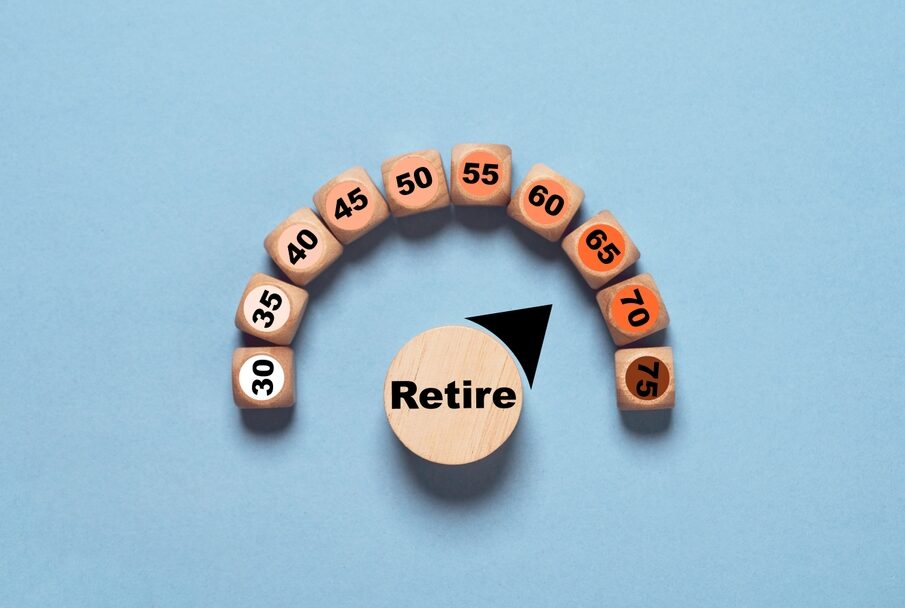
From January through August 2025, more than 88,000 federal employees submitted retirement applications. Even if your own retirement is years away, it’s never too early to start planning. Here’s a timeline to guide you through the key steps.
Getting Started
A strong retirement foundation begins with steady contributions to your Thrift Savings Plan (TSP). Your agency automatically contributes 1% of your basic pay, even if you don’t. In addition, they’ll match your contributions dollar-for-dollar on the first 3% you contribute, and 50 cents on the dollar for the next 2%.
Ongoing Maintenance
Stay proactive by:
- Reviewing your eOPF file for accuracy.
- Keeping legal and financial documents up to date.
- Updating beneficiary designations for CSRS/FERS, FEGLI, and TSP accounts.
- Adjusting your TSP contribution rate as your salary and financial capacity grow.
At Age 50
You become eligible for catch-up contributions, an additional $7,500 each year on top of the standard TSP limit. This is especially valuable if you started saving later or want to boost your account balance during your final decade of federal service.
Five Years Before Retirement
Your agency must provide pre-retirement training once you’re within five years of retirement eligibility. Use this time to:
- Request an annuity estimate.
- Review necessary forms and deadlines.
- Confirm your FEHB coverage dates (you must be enrolled for the five years leading up to retirement to carry coverage forward).
Nearing Retirement
As your retirement date approaches:
- Understand how your pension, Social Security, and TSP withdrawals will be taxed.
- “Test drive” retirement by living on your projected income.
- Build a cushion for OPM’s processing delays and unexpected expenses.
- Review life insurance and long-term care coverage to safeguard your family.
Ages 60–63
Catch-up contribution limits rise to $11,250 per year. If you’re still working, take advantage of this higher ceiling to maximize last-minute savings.
At Age 62
This is the earliest age to claim Social Security retirement benefits. Keep in mind:
- Benefits are permanently reduced if claimed early.
- Earnings over $23,400 annually can reduce your benefits due to the earnings test.
At Age 67
If you were born in 1960 or later, Full Retirement Age (FRA) is 67. Claiming at this age means no reduction and no earnings test. If you delay benefits until age 70, you’ll lock in the maximum benefit amount.
At Age 73
The IRS requires Required Minimum Distributions (RMDs) from your traditional TSP and other tax-deferred accounts by April 1 of the year after you turn 73. Missing RMDs can lead to stiff penalties, so plan withdrawals carefully.
Need Guidance?
Federal retirement comes with plenty of moving parts. A Federal Retirement Consultant (FRC®) can help you integrate your benefits, investments, and retirement timing into one cohesive plan.




Leave a reply


The Federal Digest.
Federal News, Simplified.


