
Why Emergency Savings Matter for Retirement Planning
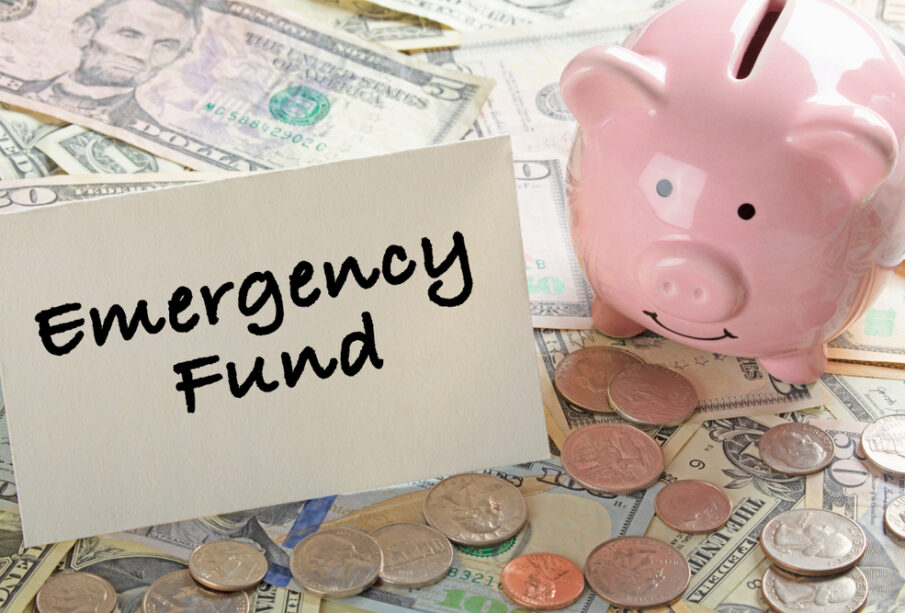
A recent analysis sheds light on the pivotal role that emergency funds play in safeguarding retirement goals. Without an adequate financial cushion for unexpected large expenses, individuals often face a difficult trade-off: halting retirement contributions or relying heavily on credit cards for relief.
The Link Between Credit Card Debt and Retirement Contributions
Research from the Employee Benefit Research Institute (EBRI) reveals a troubling trend: rising credit card debt frequently undermines retirement savings. The study zeroed in on public-sector employees enrolled in defined contribution plans, such as the federal Thrift Savings Plan (TSP), uncovering a direct connection between debt and reduced retirement contributions.
Handling Financial Surprises
Building on earlier findings about private-sector workers, the report analyzed how households manage sudden financial “spikes”—expenses exceeding 25% of their average monthly spending over the past year. Nearly 30% of surveyed households experienced at least one such spike in the previous year, with many facing multiple unexpected costs. Examples include emergency car repairs or surprise home maintenance, which can severely strain a household budget.
Retirement Plan Loans and Credit Card Usage
These financial shocks often drive individuals to borrow, either through credit cards or retirement accounts. Among those encountering a spending surge, 7% took out a loan against their retirement savings, while almost 32% increased their credit card balances. By comparison, households without spending spikes were significantly less likely to take these steps, with only 2.7% borrowing from retirement accounts and 25.9% adding to credit card debt.
Credit Card Balances Shape Borrowing Decisions
The report further highlighted that individuals with lower existing credit card balances are more likely to increase card usage to manage unexpected costs, preserving their retirement savings. Conversely, those already burdened by high credit card debt often turn to retirement plan loans to cover expenses.
The Ripple Effect of Credit Card Debt
“This study emphasizes that, like private-sector workers, public employees frequently resort to credit cards in the absence of emergency savings,” the report stated. The fallout can be long-lasting, as higher credit card balances are closely tied to lower retirement contributions and diminished account values, even after controlling for income.
Building a Safety Net
Ultimately, the findings underscore the importance of emergency savings as a buffer against financial shocks. Without sufficient cash reserves, individuals risk a cycle of growing debt that undermines both their financial stability and their ability to prepare for retirement, regardless of their employment sector.
Connect with a Federal Retirement Consultant® for help creating a financial strategy that keeps you on track to meet your retirement goals.



Leave a reply


The Federal Digest.
Federal News, Simplified.


